
Words come at some kids
like a flash flood.
If you’re the parent of a child with reading or learning difficulties, you understand this — you see it every day. You see your child almost overwhelmed by the tasks of the school day and worn out by the time they get home. Even though you’ve helped them build a growth mind-set and provided fun and motivation and the school has provided tutoring, they still struggle. This isn’t how you want their life to be.
So what’s the core issue?.
AFter lifetime of research, cognitive neuroscientist Dr. Paula Tallal has identified it. Here it is:
“It has now been conclusively shown that auditory processing speed measured at six months of age is the single strongest predictor of a child’s academic success.”
Dr. Paula Tallal, cognitive neuroscientist.
So how about accelerating it?
After all, you’ve tried everything else.
It’s may be the greatest gift you’ll ever give your child.
Kennedy Reading Therapy uses the ONLY intervention —Fast ForWord — designed and proven to accelerate and normalize auditory processing speed. (Amazing, huh?)
Under the right conditions, your child’s brain will use its own “plasticity” to build faster processing. The process takes from a few weeks up to three months, depending on the student’s age and degree of difficulty.
The exercises may sound weird, but think about what the tasks are doing in your child’s brain.
The basis: Both oral language and reading require that our brains catch tiny speech sounds –often lasting just 30 milliseconds — so that we can tell the difference between bay and day, or sip and zip, or angle and ankle. Or between Kiss the sky and Kiss this guy. (For comparison, it takes 100 milliseconds to blink your eye.)
Just slightly too-slow processing speed stumbles up the brain’s perception of tiny sounds. Misperceptions hampers listening in the classroom and phonics and decoding in reading. It slows fluency to a snail’s pace, cripples comprehension, and drags down all learning. Is there a solution? Well, we wouldn’t be having this conversation if there weren’t.
What are the exercises like?
In the clip below, Nate, age 15, is identifying the sequence in which two sounds are presented. Using the term “me” for the higher sound and “jo” for the lower sound, he thinks over the sequence that’s been presented and responds by clicking the up and down arrows in the same order. As he masters slow-moving sounds, they will gradually accelerate, coaxing his brain to track ever more rapid sounds approaching the speed of speech and finally achieving a normal level of auditory speech perception — the level required before reading instruction can begin.
We can see how difficult this is for Nate. His auditory processing disorder (APD) may have been an outcome of his premature birth (a risk factor for both APD and dyslexia). Both at home and school, his auditory confusion was often mistaken for not listening or for defiance. Nate was able to master this exercise in about three months and and then started normal reading instruction.
Dr Tallal’s great contribution to our children is not just pinpointing the core of almost all reading problems, but also working with Dr. Michael Merzenich and others to design the exercise series called Fast ForWord. The Sky Gym game that Nate is playing above, plus other “games,” gently heal and strengthen auditory and other brain networks that may have been hurt by birth trauma or genetics or noisy environments or stress. They establish a granite foundation for learning that steadies your child throughout his school years and beyond.
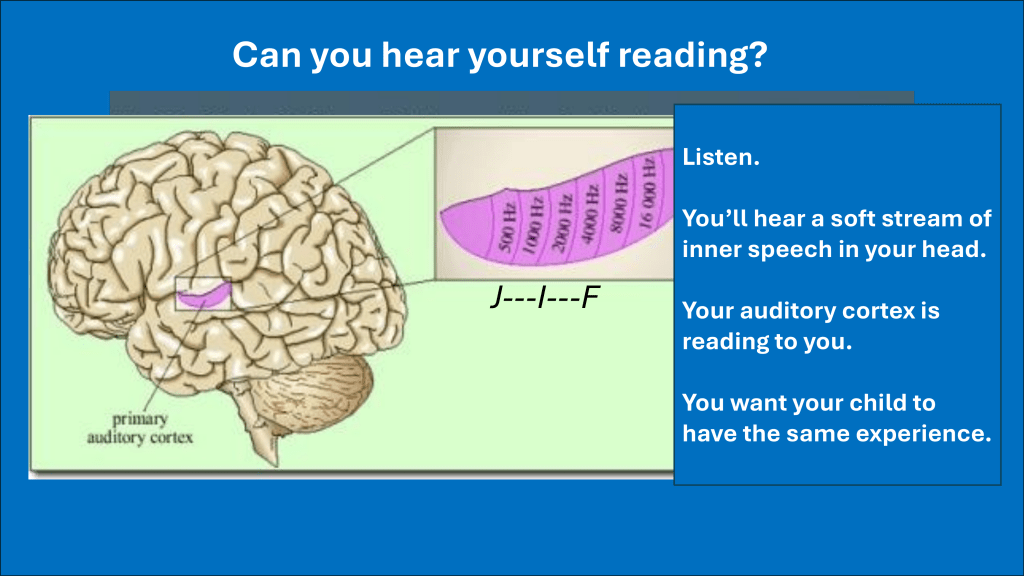
Here is a little more background on what may be happening in your child’s auditory networks.
More about the Auditory Cortex:
Please tap or swipe across for slide show.
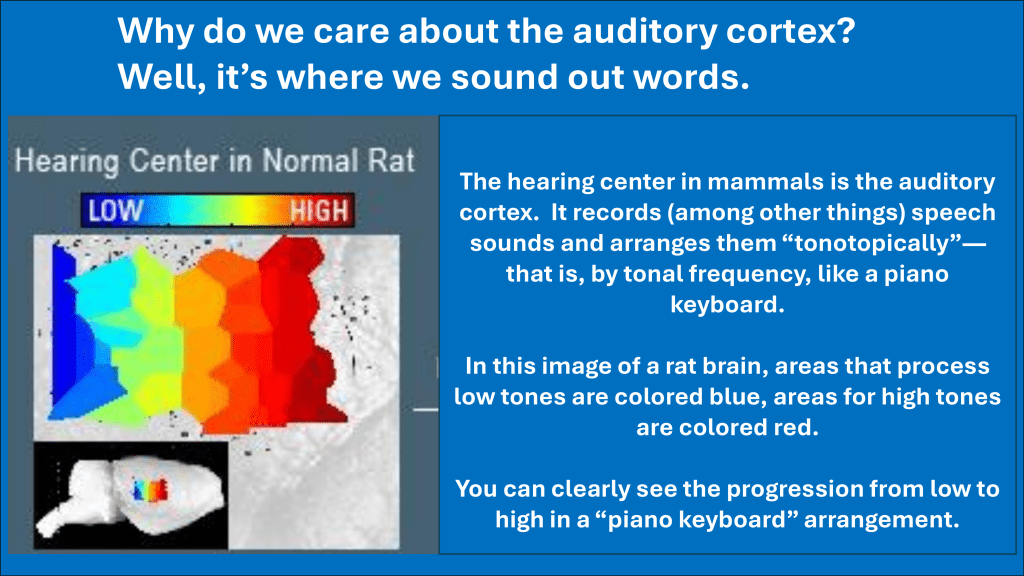
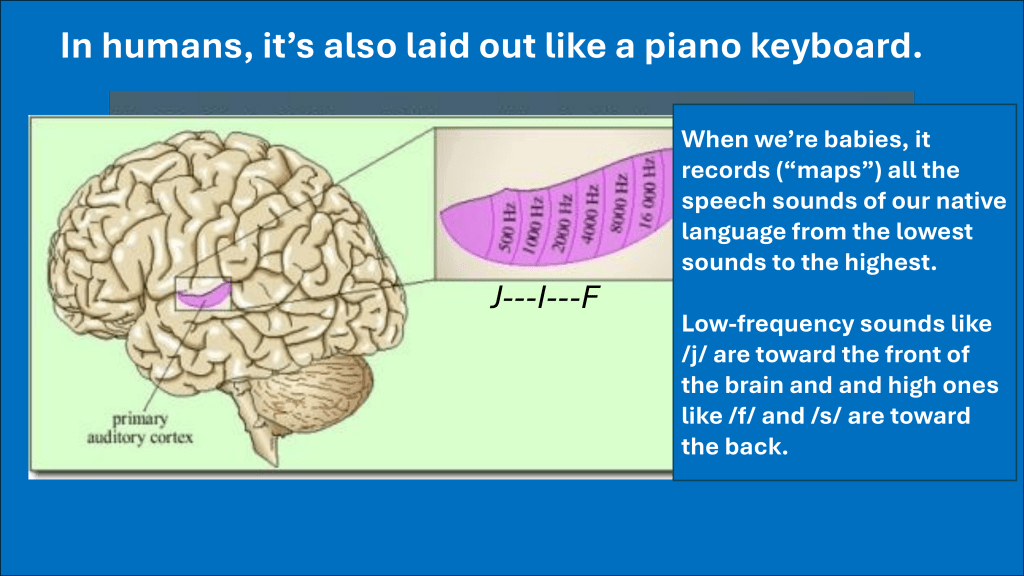
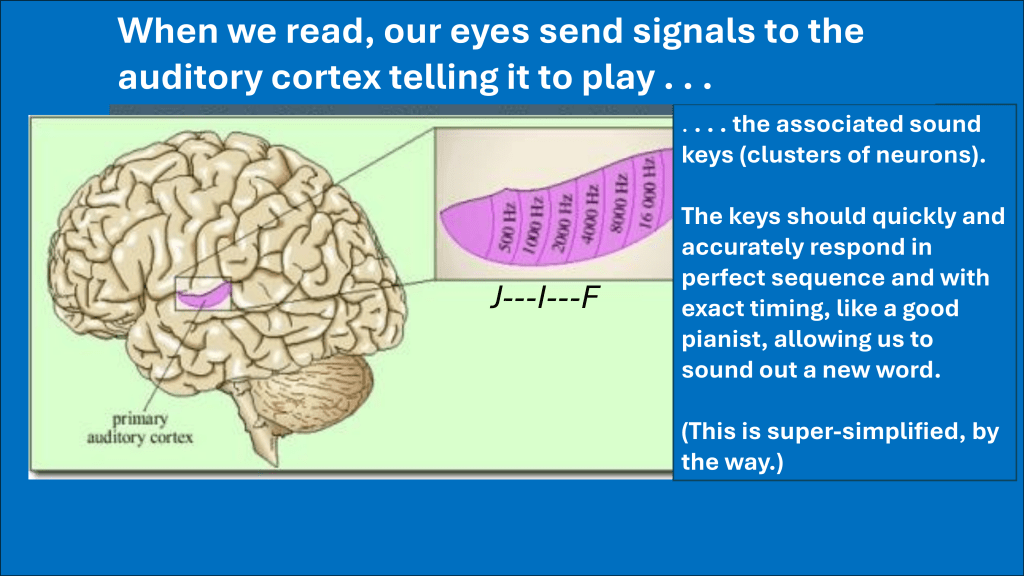
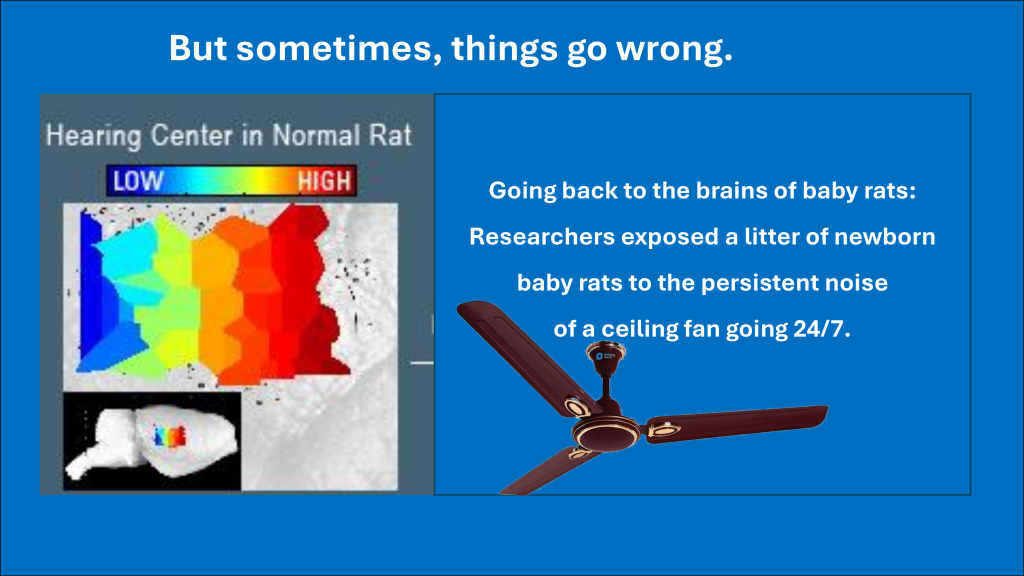
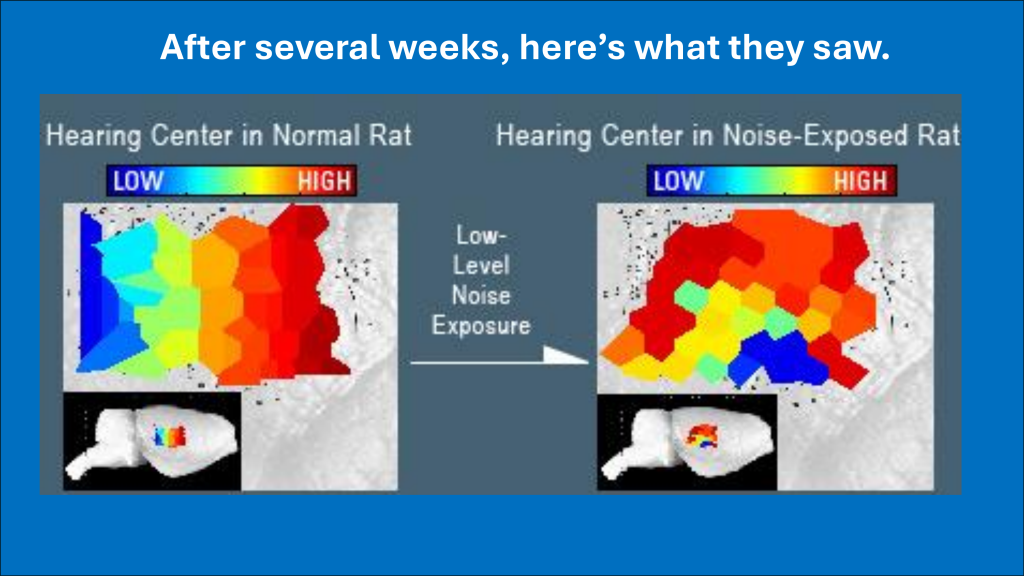
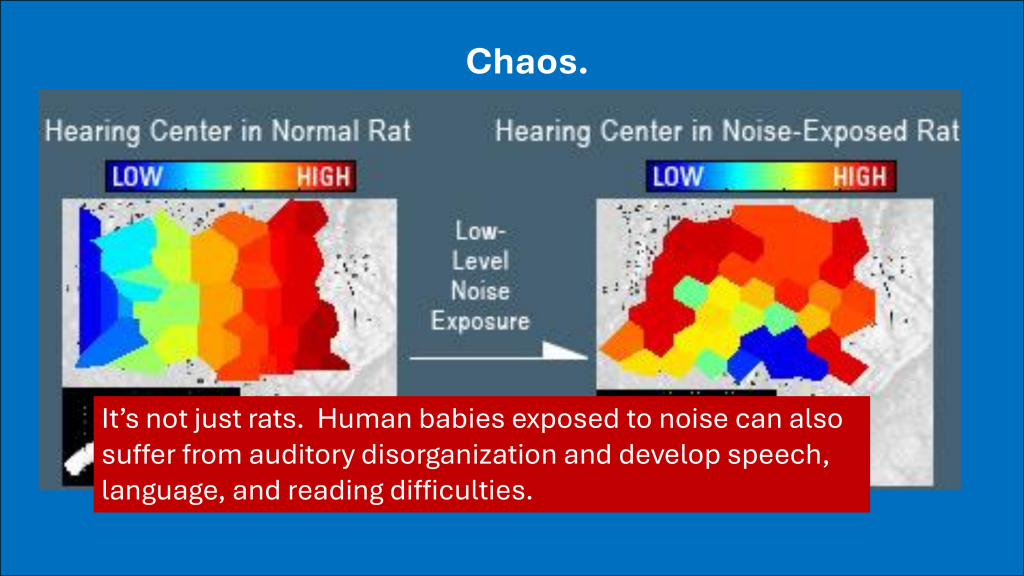
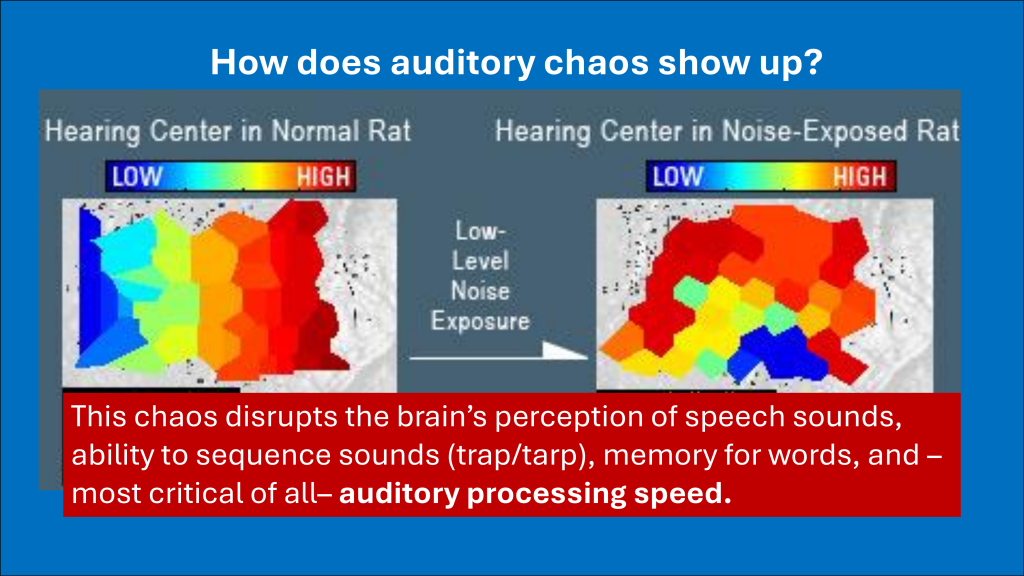
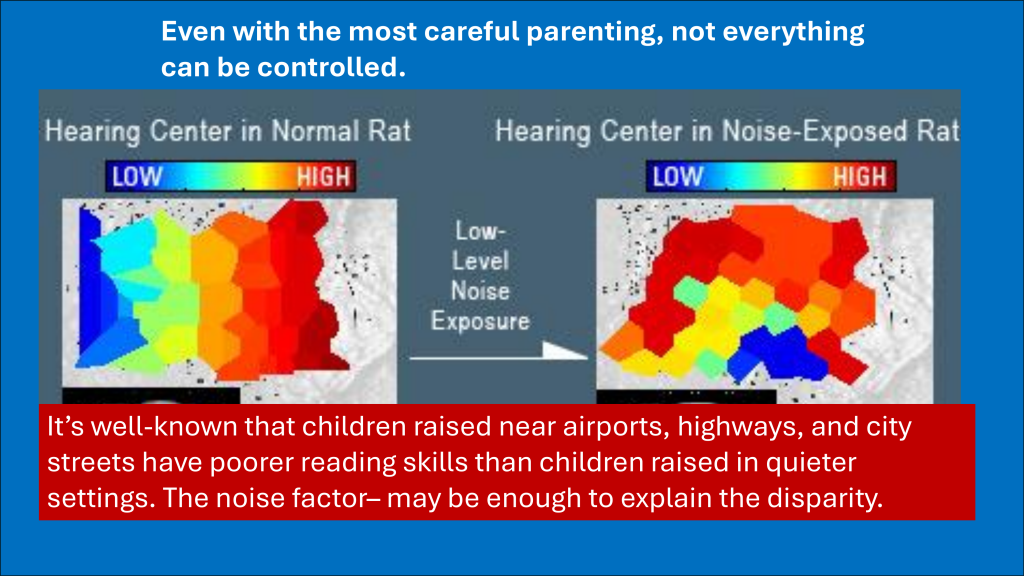
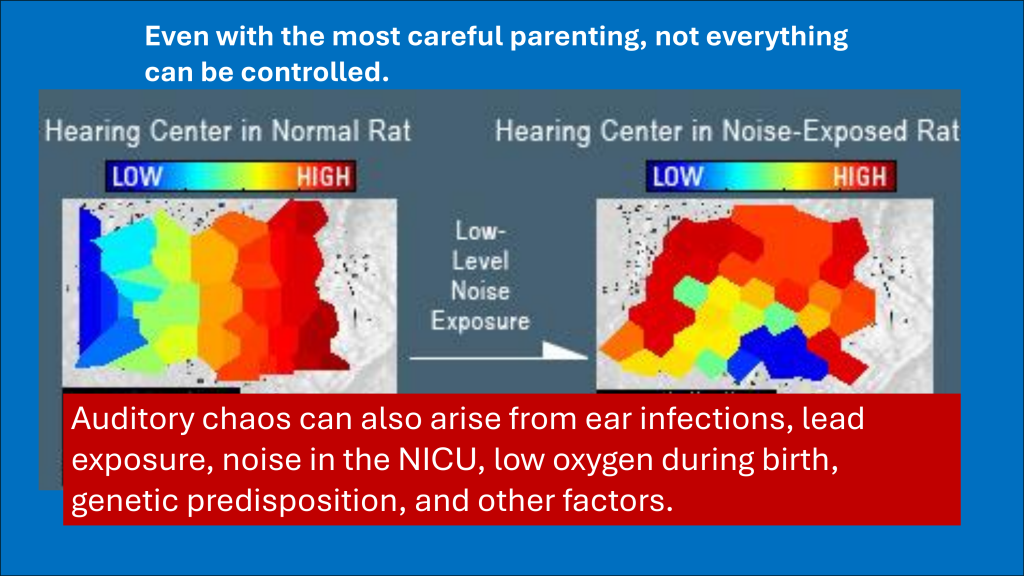
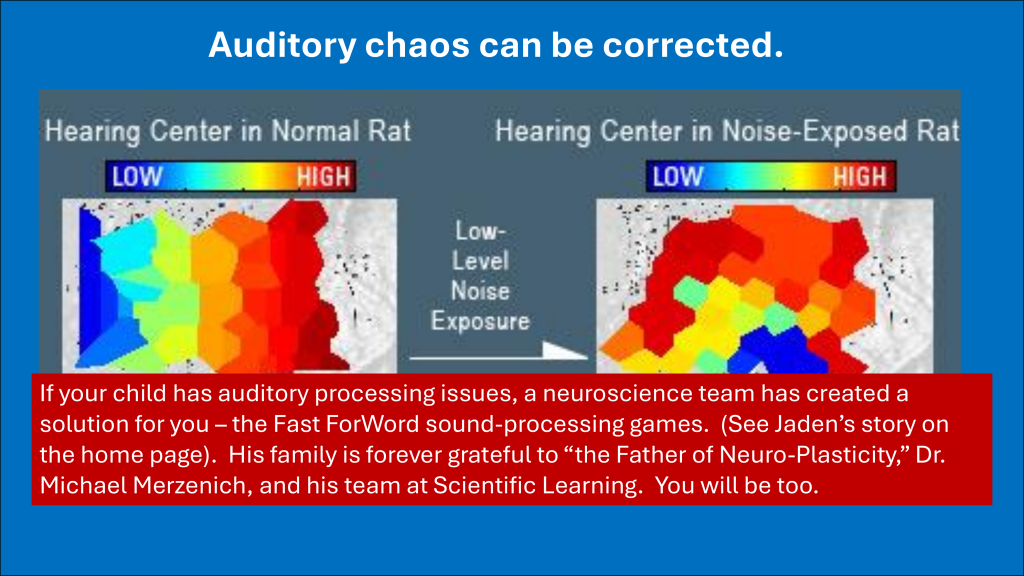
For published research on the effect of noise in the NICU, use this link: (You may need to copy and paste this link.) https://pmc.ncbi.nlm.nih.gov/articles/PMC4256984/#sec7
Here is a peek at a few more of the exercises:
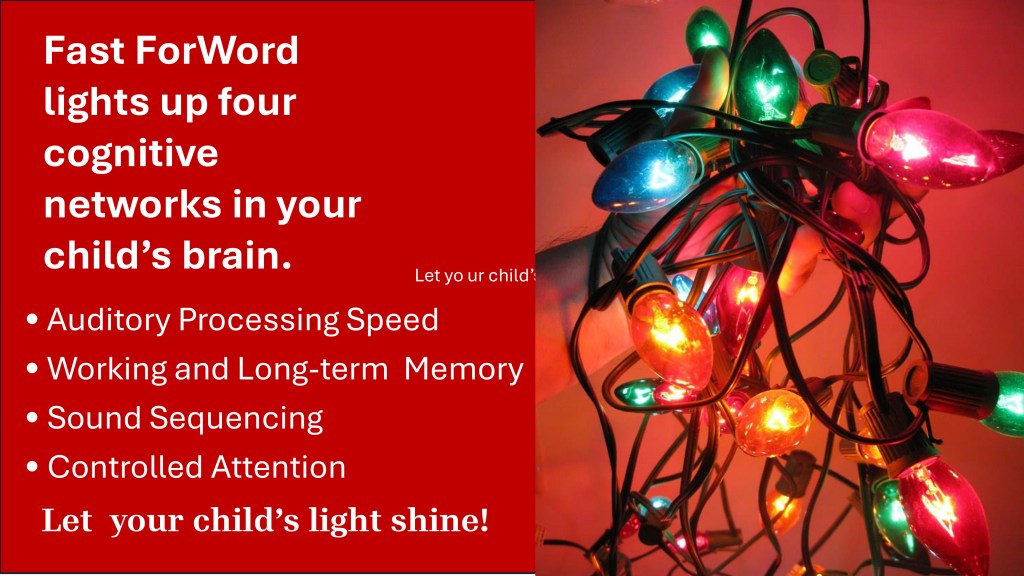
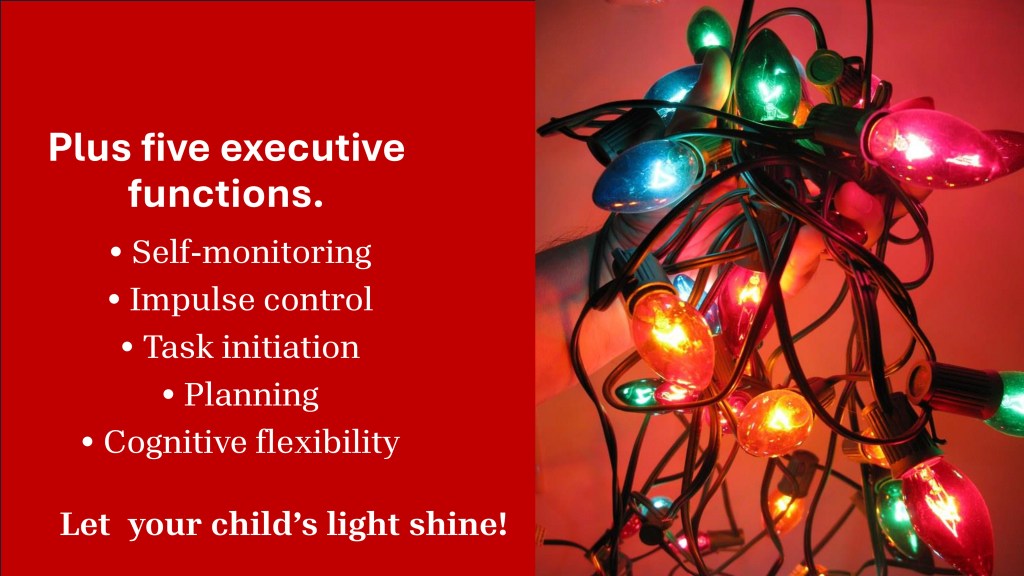
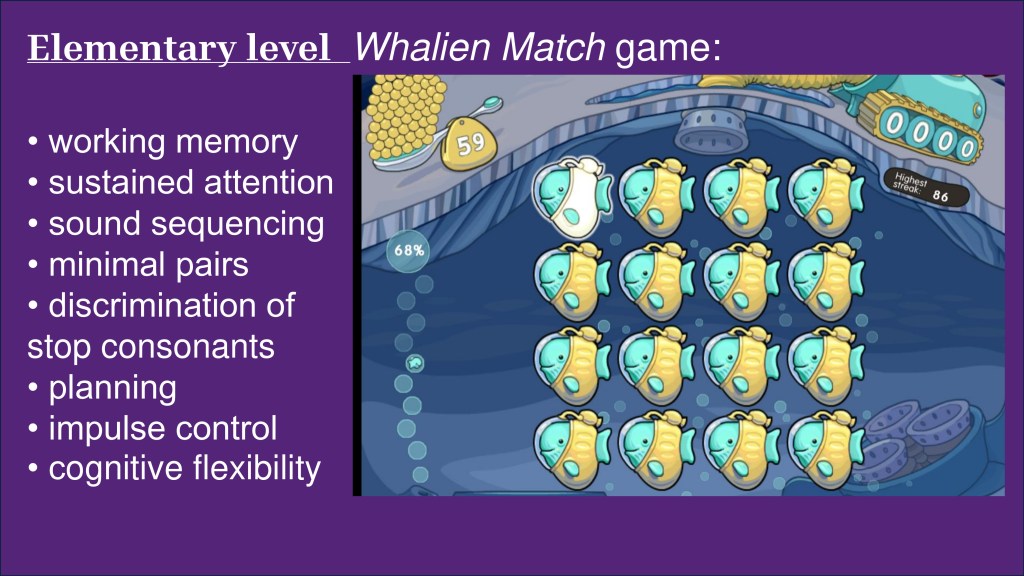
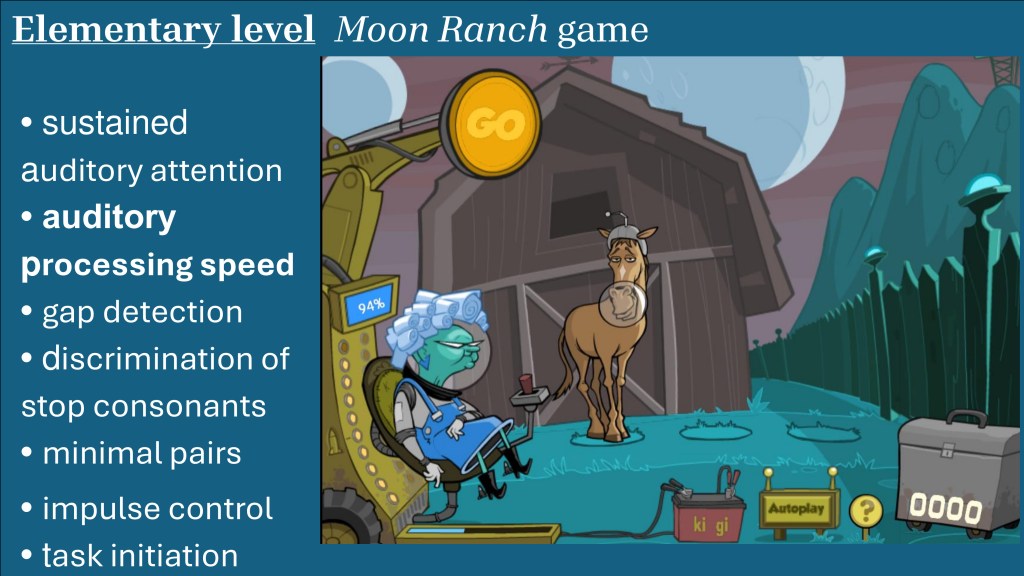
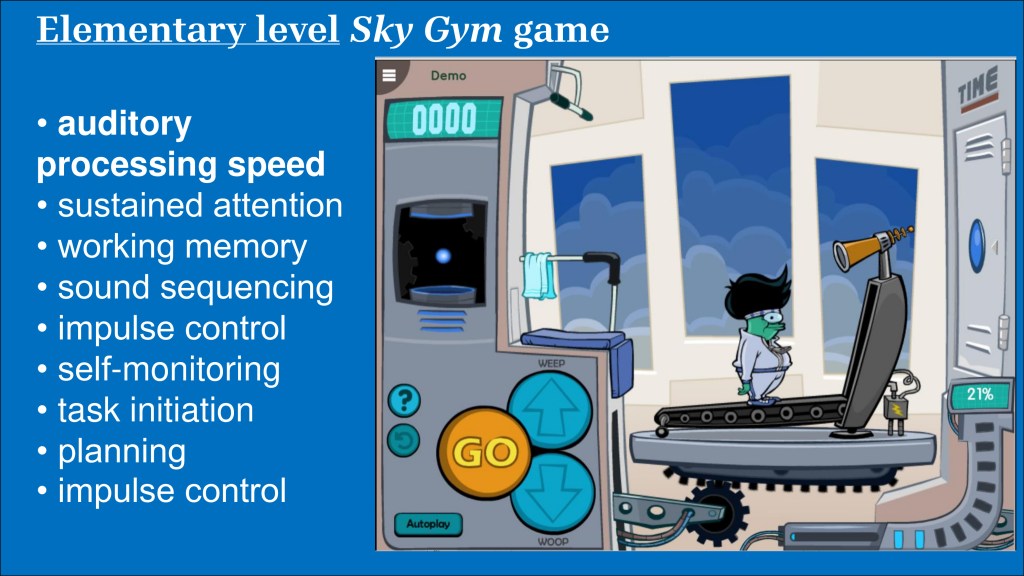
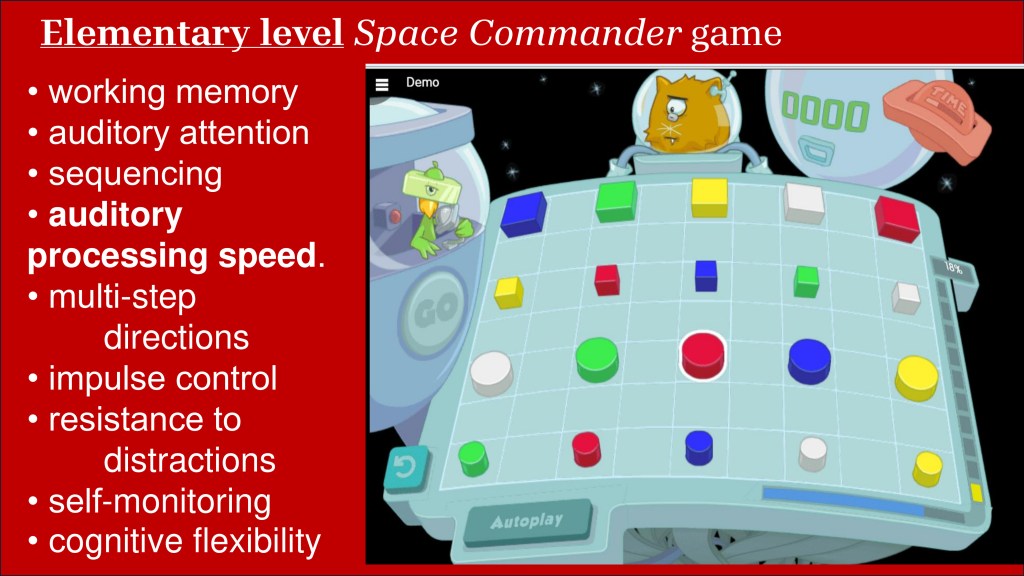
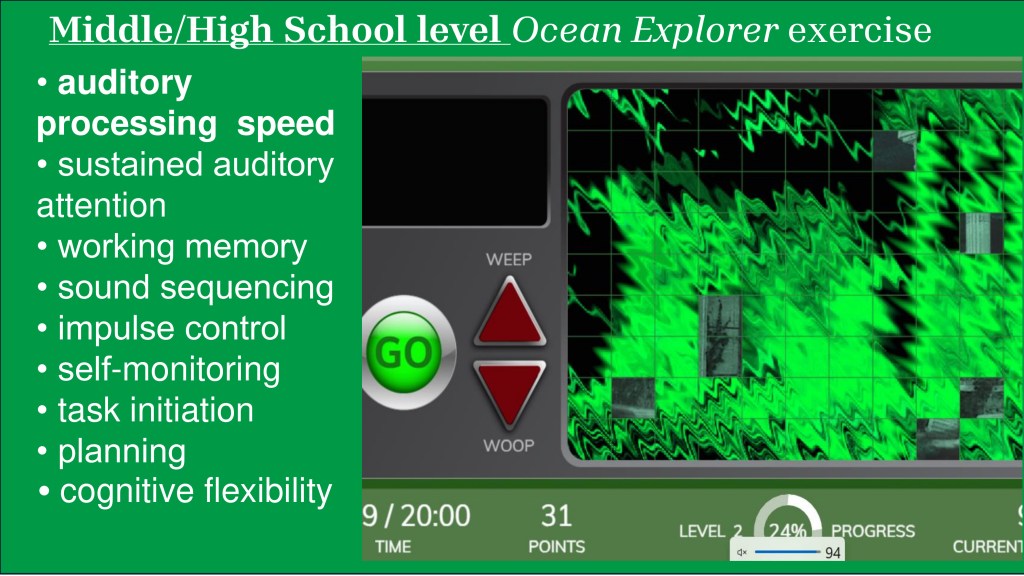
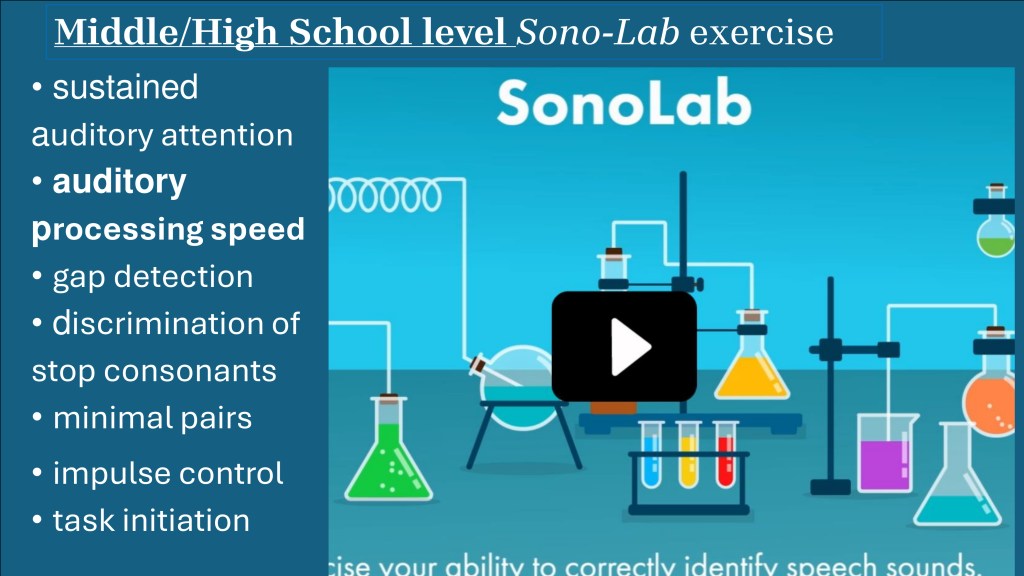
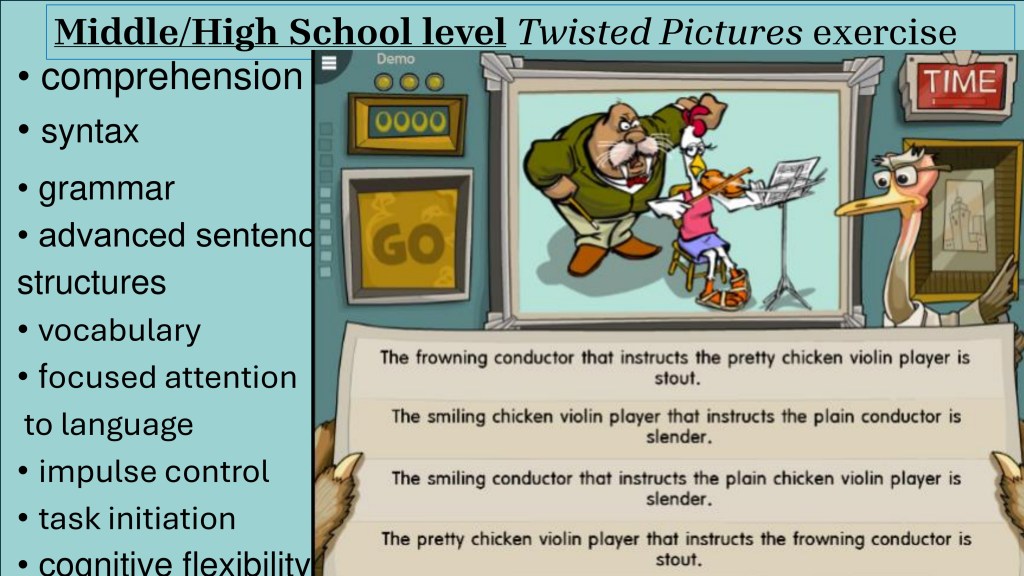
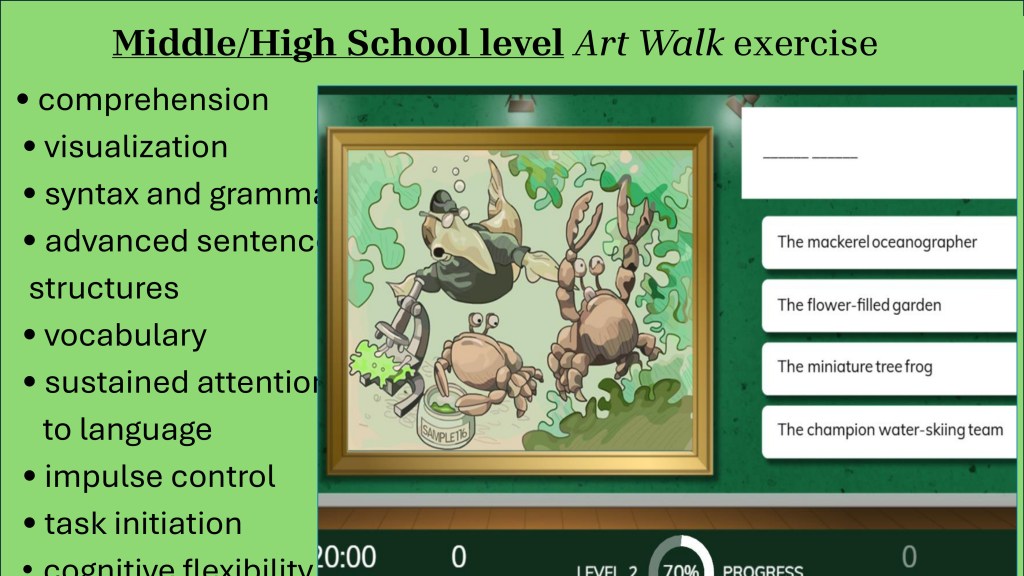
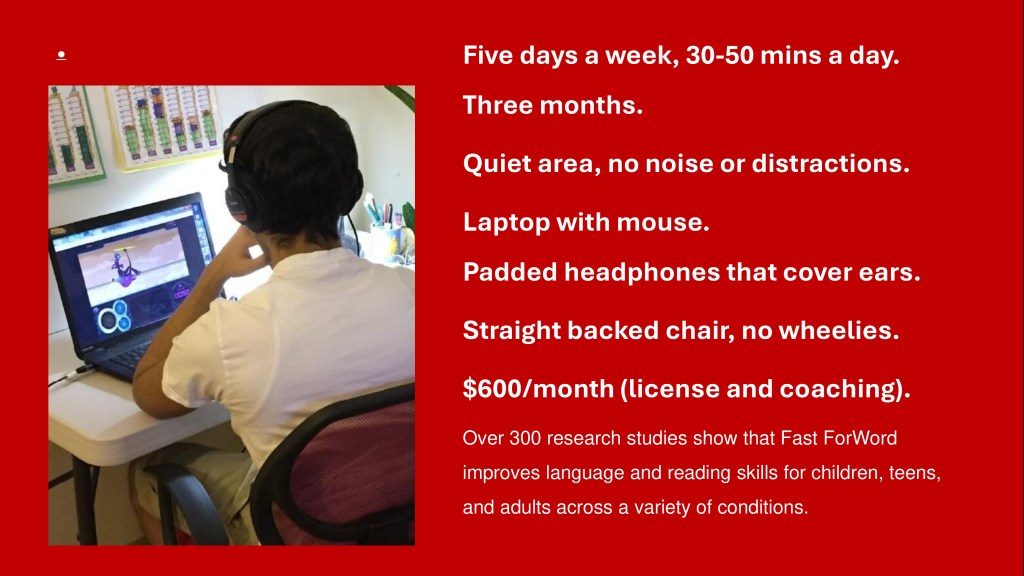
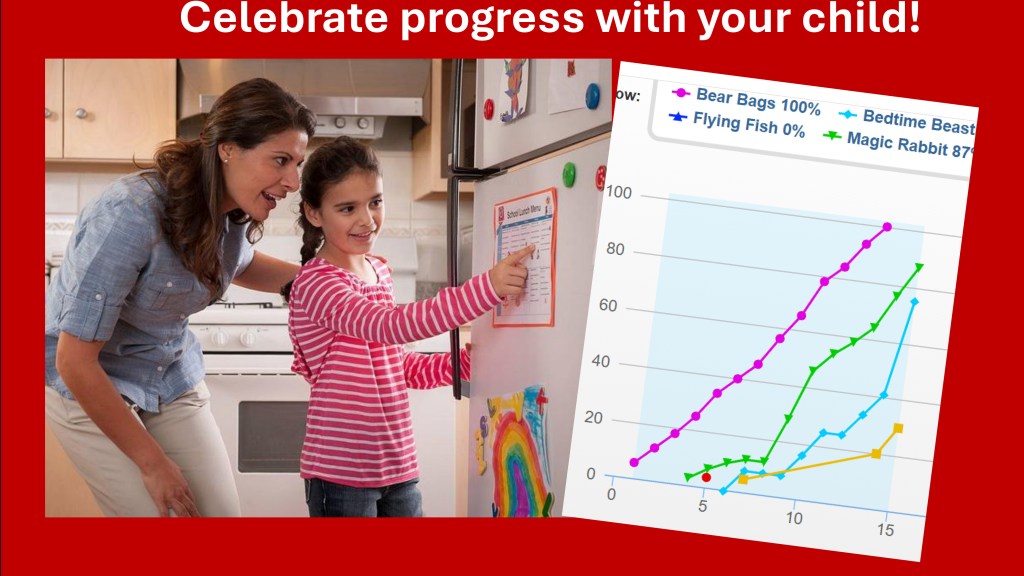

In daily online sessions of 30-50 minutes, students play these games to master processing speed, sound-sequencing, attention, working memory, and executive functioning. Their brains respond to the games’ gradually increasing demands by creating stronger, faster, and more accurate connections, almost as if the neurons were muscles growing in response to lifting a few more pounds every day.

Think of these exercises
as weight-lifting for the brain.
But this time, the gains are permanent. No kidding.
Skills developed by Fast ForWord:
• Auditory processing speed to detect 30-millisecond consonant shifts.
• Accurate sound perception (vase? face?)
• Auditory and visual attention (Huh?)
• Working memory for sounds, words, and sentences, including following directions.
• Sound sequencing (girl? grill?).
• Accurate letter-sound matches.
• Sentence comprehension, syntax, and grammar.
• Fluency built with the the only strategy endorsed by the National Reading Panel–“Guided Oral Reading.”
• Higher-order comprehension, paraphrasing, inferences, context, organization.
• Executive functions: impulse control, self-monitoring, task initiation, cognitive flexibility.
• Development of intrinsic motivation.

Set your
child’s learning
on solid granite.
A bit of research on Auditory Processing Speed
Processing speed deficits affect reading efficiency, even among individuals who recognize and decode words accurately. Children with ADHD who decode words accurately can still have inefficient reading fluency, leading to a bottleneck in other cognitive processes. — Child Neuropsychol. 2011; 17(3): 209–224.
Many individuals with dyslexia perform poorly on auditory tasks including frequency discrimination34,35 and temporal order judgment.
https://www.ncbi.nlm.nih.gov/pmc/articles/PMC2597981
Preliminary analysis indicates that children with dyslexia and/or dyscalculia have significantly slower processing speed; slower processing speed is associated with lower reading and math abilities.
FF is provided through K-12 schools, speech and language therapists, and private providers throughout the United States, Canada, Australia, and the UK.
Hmmmm . . . .
You can teach students soccer, or you can develop their strength and agility and speed and then teach them soccer.
Likewise, you can teach students to read, or you can develop their processing speed, attention, perception, memory, and executive functions, and then teach them to read.

 Karen Kennedy Reading Therapy